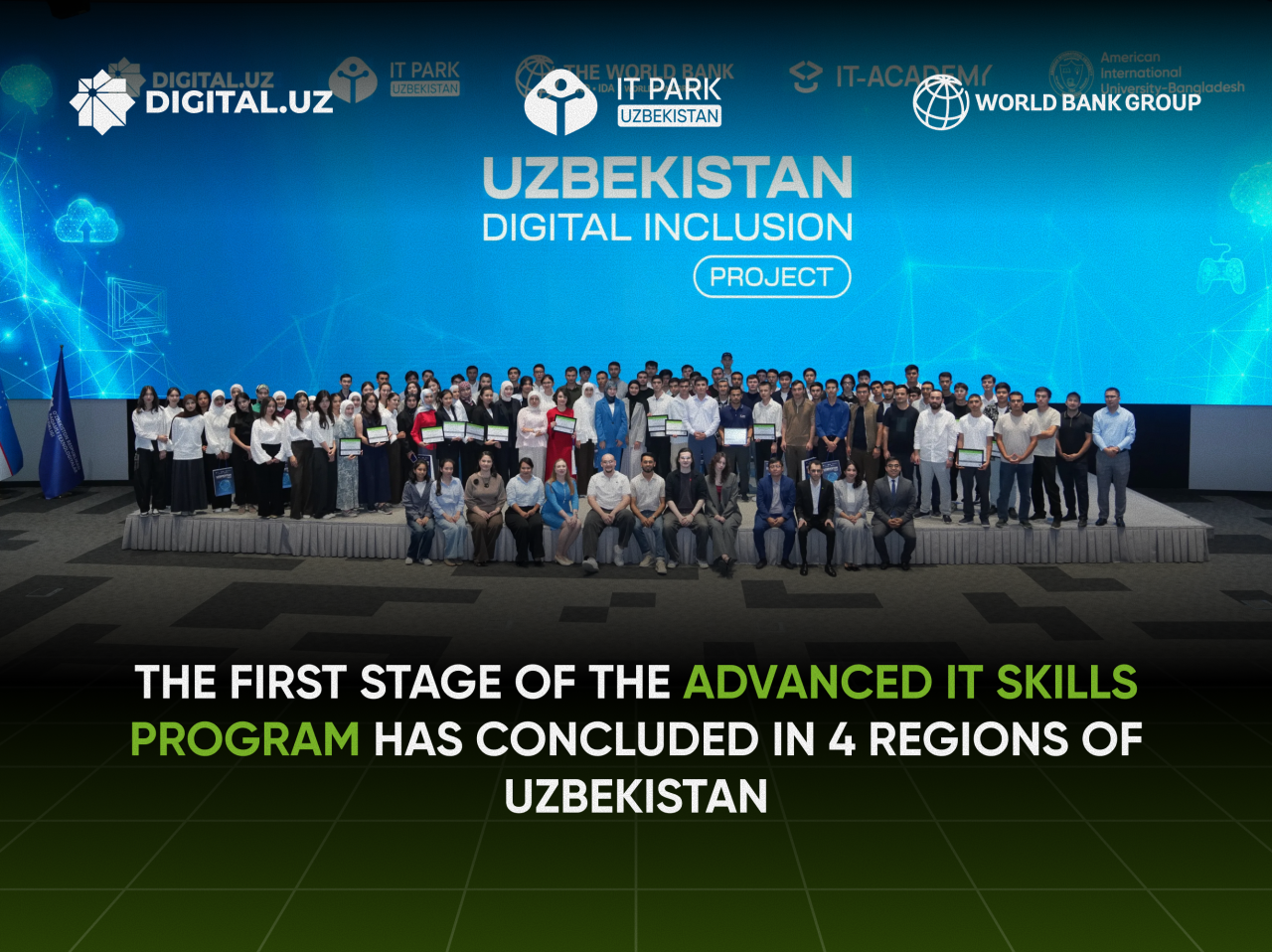
First Stage of Advanced IT Skills Program Completed Across Four Regions of Uzbekistan
The first stage of the Advanced IT Skills program, implemented as part of the Uzbekistan Digital Inclusion project, has been completed in Uzbekistan. Training was conducted in Tashkent, Namangan, Samarkand, and Fergana across four in-demand technology areas.
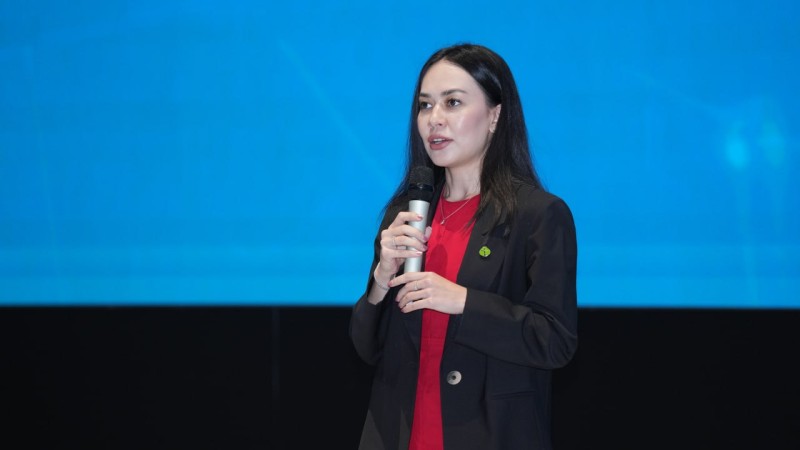 The closing ceremony of the first stage was held in Tashkent, marking the completion of training in AI/ML — Artificial Intelligence and Machine Learning.
The program is designed for young people and aims to develop in-demand technology skills, provide practical professional training, and expand opportunities for career development in the digital sector.
 The project is implemented jointly by the Ministry of Digital Technologies of the Republic of Uzbekistan, IT Park Uzbekistan, and the World Bank.
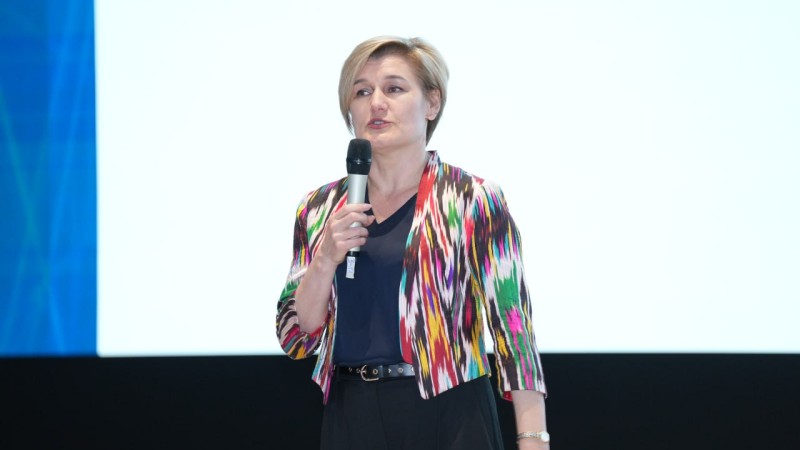
The ceremony was also attended by Makhliyo Muksinova, Director for Strategic Development at IT Park Uzbekistan, and Luda Bujoreanu, Senior Digital Development Specialist at the World Bank.
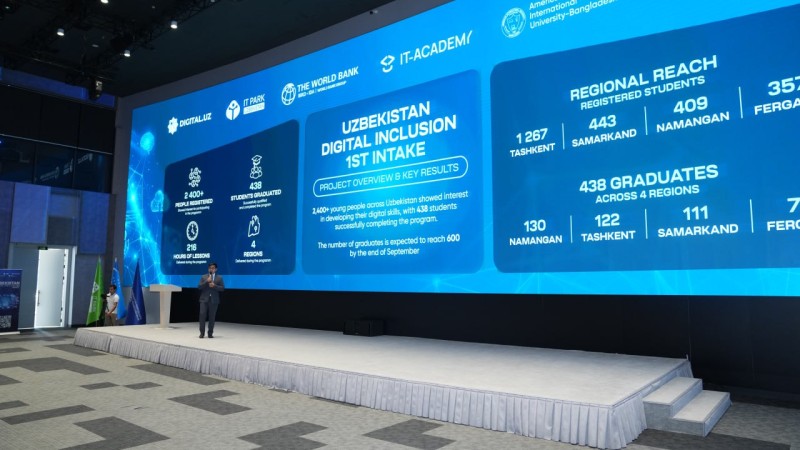 During the first stage, training was conducted in four regions of the country, with young participants studying different technology areas:
-
Tashkent — AI/ML;
-
Fergana — Game Development;
-
Namangan — 2D/3D Modeling;
-
Samarkand — Cloud Engineering.
In total, more than 2,400 young people across Uzbekistan expressed interest in developing their digital skills during the program’s first intake. To date, 438 participants have successfully completed the training: 130 in Namangan, 122 in Tashkent, 111 in Samarkand, and 75 in Fergana. By the end of September, the number of program graduates is expected to reach 600.
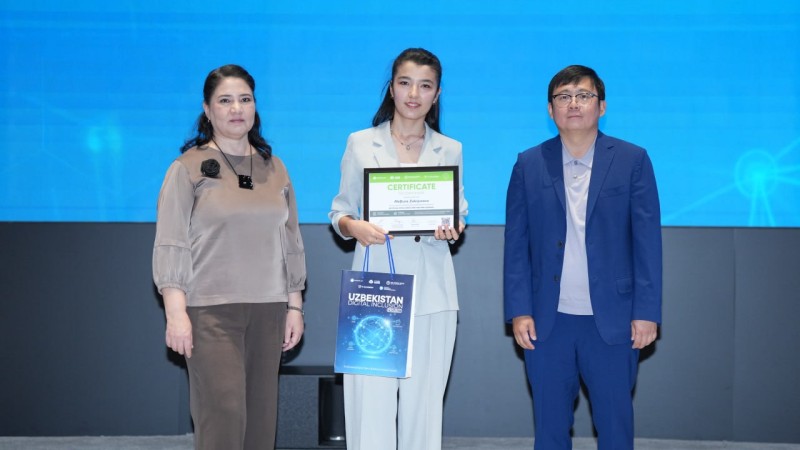
During the AI/ML training in Tashkent, participants studied the fundamentals of artificial intelligence and machine learning, worked with modern AI tools and data, explored algorithms, and learned how to apply these technologies to practical tasks.
Particular emphasis was placed on hands-on training. Participants completed practical assignments and worked on their own projects, reinforcing their knowledge and developing skills required for further work in the technology sector.
According to the program mentor in Tashkent, the training focused not only on introducing participants to AI tools, but also on developing their ability to identify technology-based solutions, work with real-world challenges, and transform ideas into practical projects.
 More than 400 program graduates have already received training in in-demand technology areas and are now prepared to apply their newly acquired skills to further professional development, their own projects, and careers in IT. For some participants, the program has already become the next step in their professional journey, with a number of graduates securing jobs in their areas of interest.
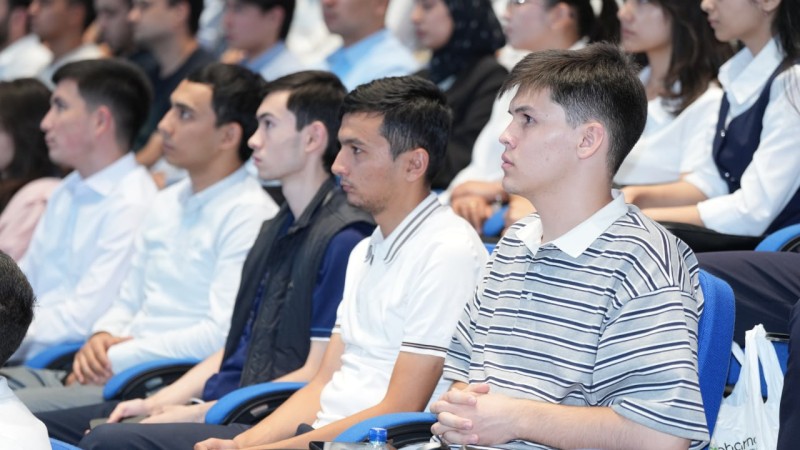 The Uzbekistan Digital Inclusion project contributes to developing digital skills among young people across different regions of the country, expanding access to modern technology professions, and creating new opportunities for professional growth in the digital economy.
2026-09-19